
Megatrends
Page under construction
More content will be available soon.
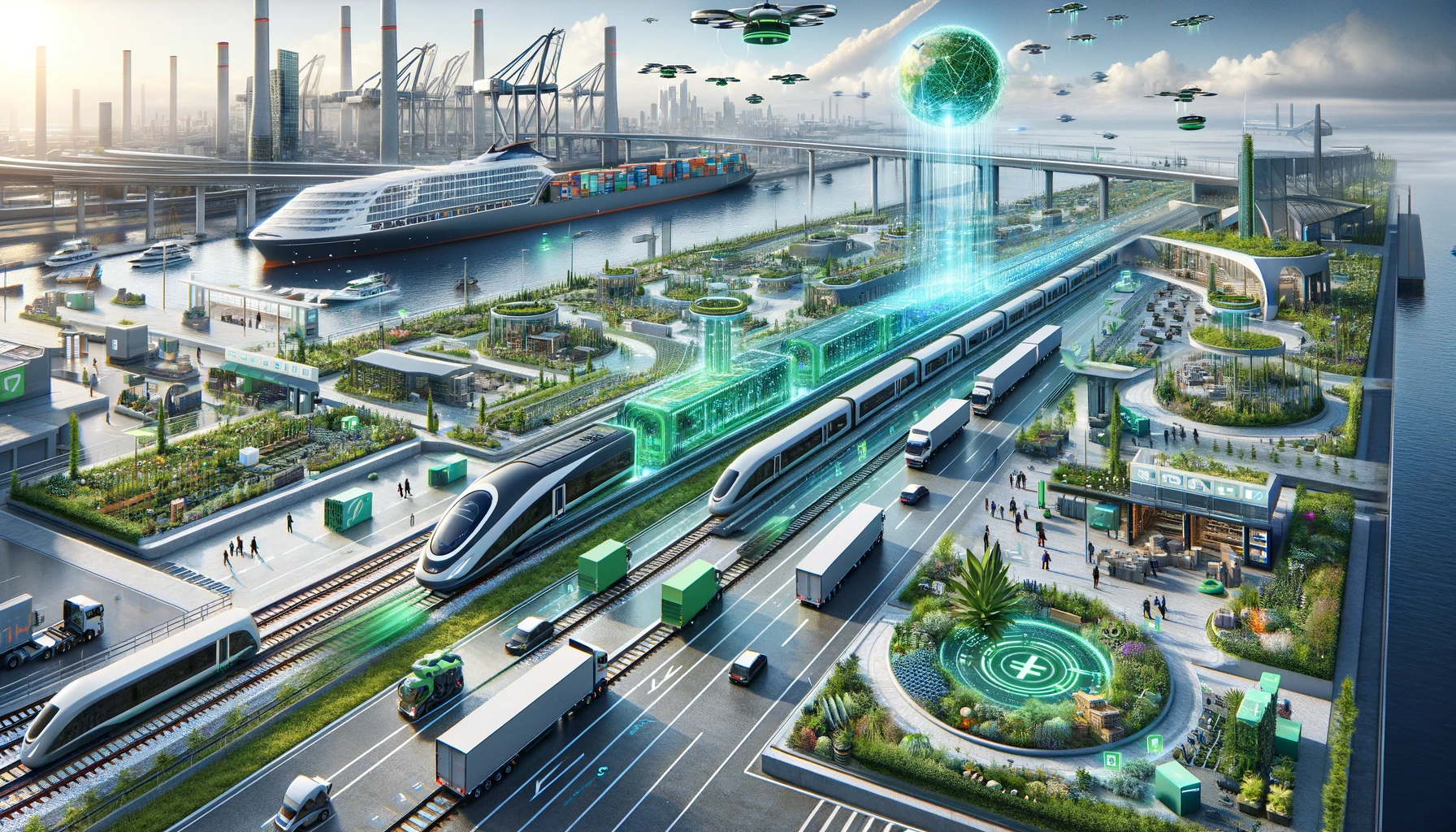
Megatrends are long-term forces that steer the future of freight transport and logistics. They reflect wider developments in society, the economy, technology, policy and the environment. Together, these forces influence how goods are produced, transported, stored and distributed.
For logistics stakeholders, understanding megatrends is essential for anticipating change, identifying innovation opportunities and making informed strategic decisions. Megatrends provide the context in which research, technology development, business transformation and policy making take place.
Within the ALICE 4 Impact framework, ALICE monitors these developments and helps its members translate emerging trends into innovation priorities and connect them with practical innovation pathways for more competitive, sustainable and resilient logistics.
Strategic relevance
Logistics systems are deeply connected to climate objectives, energy systems, digital infrastructure, labour availability, urban development, geopolitical change and changing market expectations.
Megatrends help organisations to anticipate future needs, align investments with long-term policy and business objectives, strengthen resilience and support the adoption of new solutions and business models. By understanding where the logistics ecosystem is heading, stakeholders can move from reactive adaptation towards more proactive innovation.
Key megatrends shaping logistics
01
Climate neutrality, circularity and sustainability
Sustainability is becoming an essential element of business strategy, competitiveness and long-term resilience. The transition towards zero-emission logistics is one of the main drivers of change in freight transport and supply chains. It affects vehicle technologies, energy systems, infrastructure, operations, emissions measurement and reporting, and the increased use of rail and waterborne transport where they provide operational and environmental value.
Circularity also creates new logistics requirements linked to reverse logistics, reuse, repair, remanufacturing, recycling and more efficient resource flows.
02
Digital transformation
Data is becoming a strategic asset for logistics. Digitalisation enables better visibility, planning, coordination and decision-making across logistics networks.
Data exchange and data sharing, interoperable systems, logistics data spaces, electronic freight transport information, IoT, digital twins and artificial intelligence can support more efficient and transparent operations. They also raise new requirements for cybersecurity, data governance, trust and common standards.
Smart logistics requires collaboration between companies, authorities, infrastructure managers and technology providers.
03
Automation in supply chains
Automation is changing logistics processes across transport, warehousing, terminals, hubs, planning systems and execution layers of processes. It creates opportunities to address capacity constraints and labour shortages in specific logistics activities.
Automated vehicles, robotics, autonomous handling equipment, decision-support systems and automated data exchange can improve safety, productivity and operational consistency. Their adoption depends on technical readiness, regulation, workforce skills, infrastructure, business models and integration with existing operations.
04
Resilient and agile supply chains
Recent years have shown the vulnerability of global supply chains to disruption. Resilience has become an important requirement for logistics systems. It is closely connected to digitalisation, infrastructure planning, energy transition, cybersecurity, visibility and collaboration across modes and sectors.
Climate-related disruption, geopolitical instability, energy uncertainty, cyber risks and supply chain vulnerabilities are changing how logistics networks are planned and managed. Organisations increasingly need logistics systems that can adapt, maintain continuity and recover effectively when disruption occurs.
05
Scarcity of resources and infrastructure constraints
Logistics stakeholders increasingly need to manage limited transport capacity, storage space, energy availability, land use and infrastructure capacity. This creates pressure to improve asset utilisation, reduce empty running, share capacity where appropriate and make better use of hubs, warehouses, vehicles and transport networks.
Resource scarcity also reinforces the importance of the Physical Internet, collaborative logistics models, data sharing and more efficient network design.
06
Changing consumer and societal expectations
Consumers, citizens and businesses increasingly expect logistics services that are sustainable, transparent, reliable and responsive. The growth of e-commerce, urbanisation, demand for fast delivery and expectations on environmental performance continue to influence logistics operations.
Social considerations are also becoming more important in logistics planning and policy. These include workforce wellbeing, inclusion, safety and quality of life in urban areas.
Megatrends are interconnected
Megatrends are closely linked. Decarbonisation requires new energy and infrastructure models. Digitalisation supports emissions monitoring, operational flexibility and better asset use. Resilience depends on visibility, coordination and robust infrastructure. Circularity requires new logistics flows and collaboration across value chains.
ALICE works across these interdependencies to help stakeholders identify where coordinated action is needed.
From megatrends to innovation priorities
Megatrends provide a basis for developing roadmaps, shaping Thematic Group and Communities activities, supporting European projects and contributing to policy discussions. By linking these wider trends with operational needs from the logistics sector, ALICE helps translate change into concrete innovation priorities.
This approach supports the development of solutions that are relevant for industry, aligned with European policy objectives and able to contribute to competitiveness, decarbonisation and resilience.
Explore related innovation areas
Do you want more information?
Send us a message